
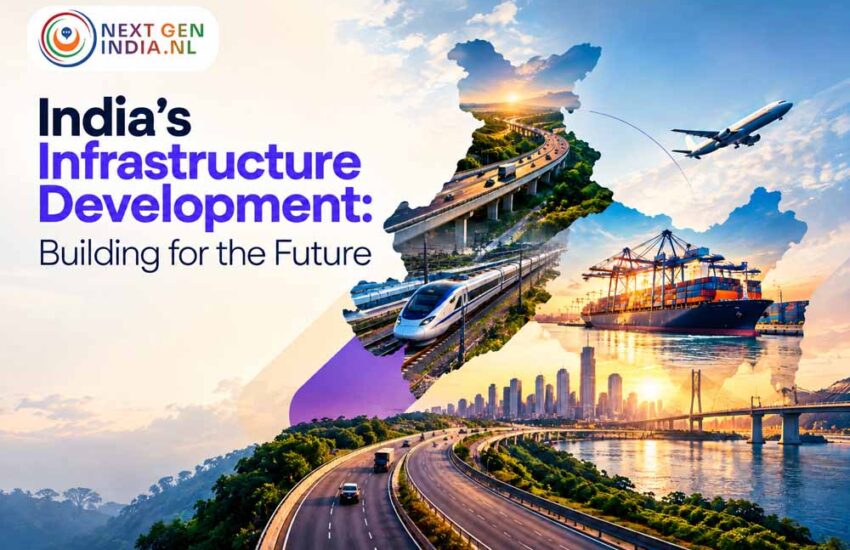
The physical skeleton of any economy dictates its commercial velocity. As global supply chains reconfigure and digital economies expand, the physical and digital connectivity of a nation becomes its most critical asset.
At the center of this global shift is India’s Infrastructure Development, a massive undertaking designed to reposition the country as a primary engine for global trade and domestic prosperity.
Looking ahead, the focus extends far beyond pouring concrete and laying asphalt; it is about engineering a resilient, future-ready network that anticipates the demands of the next century.
The objective is clear: to build an ecosystem that not only supports current economic activities but actively catalyzes future innovation.
To understand the current momentum, examining the historical baseline is necessary. A decade ago, the sector faced severe bottlenecks. Project delays were common, capital expenditure stagnated, and a lack of coordinated planning often resulted in fragmented growth.
The turning point arrived with a structural overhaul in policy execution and fiscal prioritization. The launch of the National Infrastructure Pipeline (NIP) in 2019, backed by an investment outlay of ₹111 lakh crore (approximately $1.4 trillion) through 2025, marked a definitive shift in how projects were conceptualized and funded.
This was followed by the PM Gati Shakti National Master Plan, which integrated the planning of roads, railways, ports, and aviation into a single digital framework.
By eliminating the siloed approach that historically slowed down project approvals, the government laid the administrative groundwork for the rapid execution seen today.
The present phase of India’s Infrastructure Development is defined by aggressive capital deployment, rapid execution, and a strong emphasis on reducing logistics costs.
The National Logistics Policy, for instance, aims to bring logistics costs down to 8% of the Gross Domestic Product by 2030, a significant drop from the current estimate of 13-14%.
In the Union Budget for FY25, the capital expenditure allocation was set at ₹11.11 lakh crore, representing 3.4% of the GDP. This continuous injection of funds is yielding measurable results across multiple verticals.
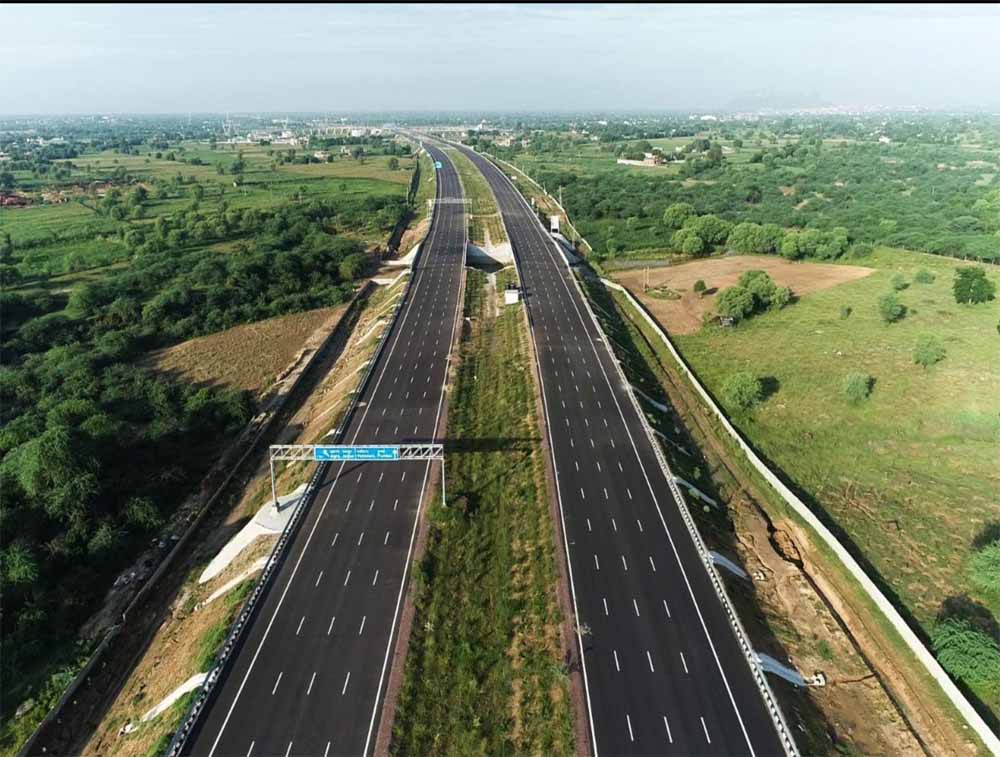
In the roads sector, the Ministry of Road Transport and Highways achieved a construction pace of 146 kilometers per day in FY24. The focus is now shifting toward building high-speed access-controlled expressways.
The Delhi-Mumbai Expressway, spanning 1,386 kilometers, is a prime example. Once fully operational, it will cut travel time between the two commercial hubs by half and save an
estimated ₹17,000 crore annually in fuel costs.
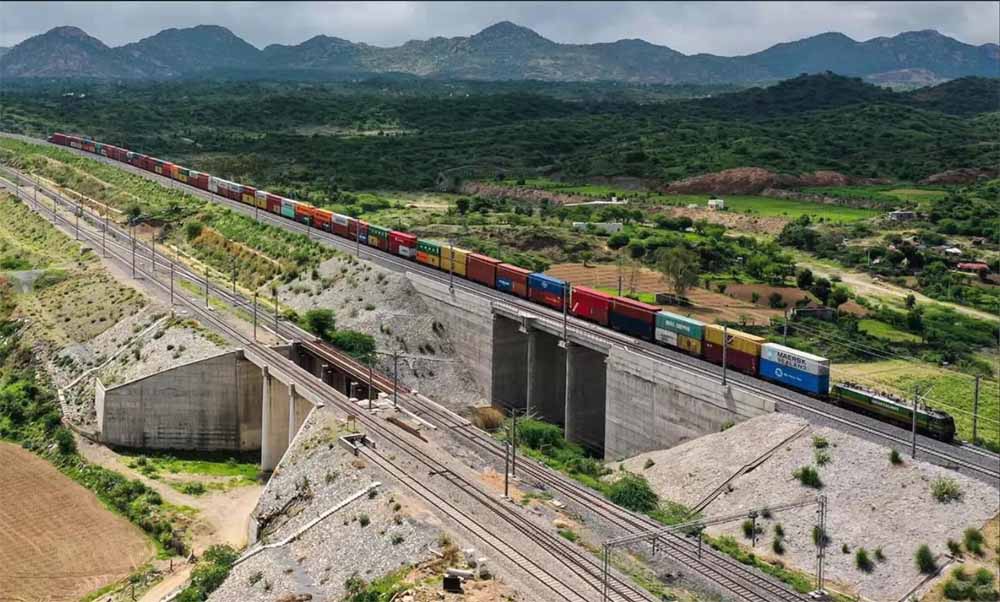
Railways are undergoing a similar modernization. Indian Railways has achieved 100% electrification of its broad-gauge routes, significantly reducing the carbon footprint of freight and passenger transit.
The operationalization of the Eastern and Western Dedicated Freight Corridors has drastically improved freight speeds and reliability. Furthermore, the rapid rollout of over 500 Vande Bharat trains is modernizing passenger transit, offering semi-high-speed connectivity across major economic corridors.
In aviation and maritime logistics, the expansion is equally robust. Under the UDAN scheme, the number of operational airports has risen to 149, with a target to reach 220 by 2030 and 300 by 2047.
This regional connectivity is unlocking the economic potential of tier-2 and tier-3 cities. Simultaneously, the Sagarmala programme has modernized port connectivity, reducing the turnaround time at major ports to under 12 hours.
This efficiency makes maritime logistics highly competitive globally, directly boosting export capabilities.
Despite the aggressive pace, executing projects of this magnitude presents distinct hurdles. However, each obstacle is being met with innovative, technology-driven solutions that turn bottlenecks into opportunities for systemic improvement.
Land acquisition and environmental clearances have traditionally delayed projects by years, often leading to cost overruns.
To resolve this, the administration introduced the Bhoomi Rashi portal and integrated Geographic Information System (GIS) mapping to digitize land records and identify potential conflicts before ground-breaking.
Fast-track infrastructure courts have also been established to resolve legal disputes swiftly. These measures are transforming a major historical delay into a streamlined, predictable process, ensuring projects stay on schedule.
Financing the massive capital deficit is another critical challenge. Building next-generation networks requires immense capital, and relying solely on government budgets is fiscally unsustainable.
The solution lies in unlocking private capital and optimizing existing assets. The National Monetisation Pipeline (NMP) aims to raise ₹6 lakh crore by leasing out core government assets like toll roads and power transmission lines.
Additionally, Infrastructure Investment Trusts (InvITs) and green bonds are being actively promoted to attract foreign institutional investors. This creates a diversified, sustainable funding model that reduces the burden on the national exchequer while offering stable returns to investors.
Large-scale construction inherently carries an environmental footprint, presenting a challenge in a world increasingly focused on climate resilience.
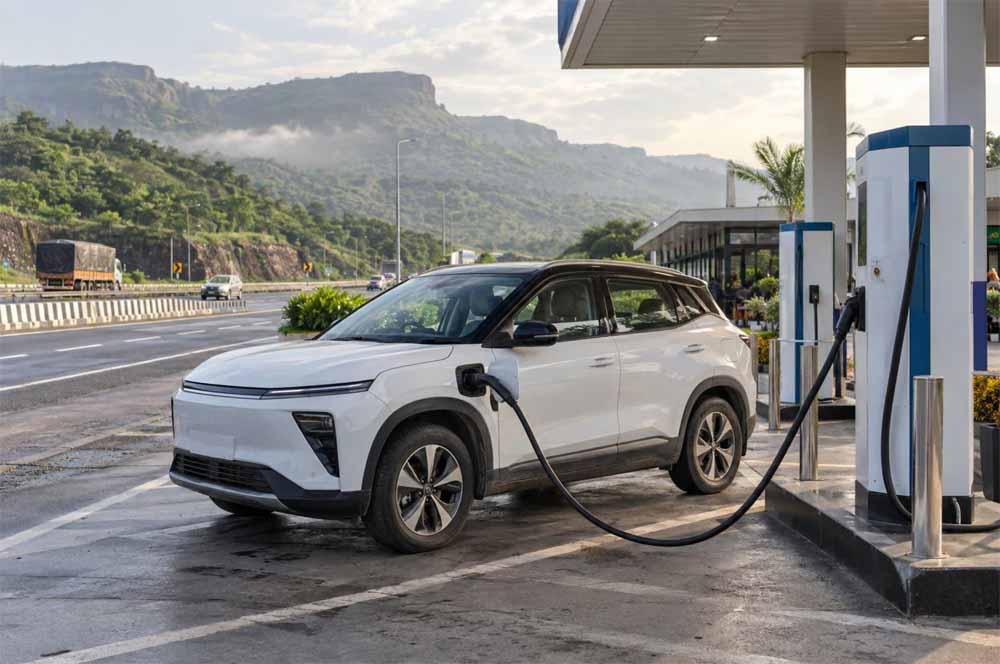
Rather than viewing this as a roadblock, the sector is using it to drive the adoption of green infrastructure. The integration of solar panels along highway medians, the development of green hydrogen corridors for heavy freight, and the mandate for EV charging stations every 25 kilometers on national highways are turning environmental concerns into avenues for building a sustainable, future-proof network.
The trajectory of India’s Infrastructure Development points toward a highly integrated, technologically advanced ecosystem. The path forward involves moving beyond basic connectivity to creating smart, intelligent networks.
Upcoming projects include the feasibility studies for hyperloop corridors, the expansion of the Regional Rapid Transit System (RRTS) to decongest urban centers, and the development of mega industrial corridors like the Chennai-Bengaluru Industrial Corridor.
The integration of artificial intelligence and the Internet of Things (IoT) into traffic management and freight tracking will further optimize the efficiency of these physical assets.
As the nation marches toward its goal of becoming a $5 trillion economy, the strategic investments being made today are laying the foundation for tomorrow.
India is actively building a robust, multi-modal logistics framework to capture the “China Plus One” global supply chain shift, positioning itself as the preferred alternative manufacturing and export hub.
By investing heavily in digital-physical convergence, green energy transit, and next-generation mobility, the country is not just upgrading its physical assets.
It is engineering a resilient, forward-looking economic powerhouse designed to lead the global market and drive sustainable prosperity in the decades to come.
